Major outages, rising cyber threats and a growing dependence on digital infrastructure are putting resilience in the spotlight. It's time to take a closer look at how we protect access to the systems we rely on.
Another week, another headline about a major digital disruption.
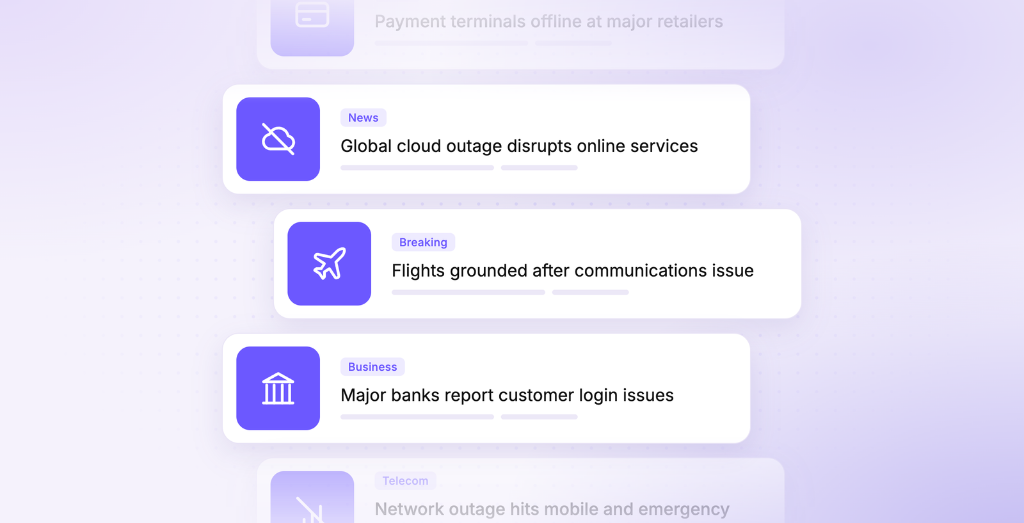
Microsoft services go down, affecting businesses and essential services around the world. Flights across the United States are grounded following technical problems with air traffic control systems. Workday experiences an outage, leaving employees unable to access critical workplace services. Meanwhile, customers at several major US banks report difficulties accessing online banking and completing transactions.
The headlines are different, but the experience is becoming increasingly familiar. Services we rely on suddenly become unavailable, businesses scramble to respond, and millions of people are reminded just how dependent everyday life has become on digital infrastructure.
When these disruptions affect critical services such as banking, healthcare and transport, the consequences extend well beyond inconvenience. Yet as incidents continue to dominate headlines, there's a growing risk that we become accustomed to them, accepting disruption as an inevitable part of operating in a digital world.
Have we become too comfortable with disruption?
Not every outage is a cyberattack. But every incident is a reminder.
It's important to distinguish between technical failures, service outages and malicious cyber activity. Recent disruptions affecting Microsoft, US aviation systems and Workday have been attributed to technical issues, while banking disruptions have also been reported without evidence of a coordinated cyberattack.
Treating every outage as a security breach risks creating unnecessary alarm, but these incidents do highlight the enormous responsibility that comes with operating systems people depend on every day.
At the same time, the cybersecurity threat landscape is becoming more challenging. Verizon's 2026 Data Breach Investigations Report found that vulnerability exploitation accounted for 31% of initial breach access, while credential abuse featured at some point in 39% of breaches.
As attackers continue to exploit vulnerabilities, compromise credentials and target digital services, businesses face growing pressure to strengthen the security controls protecting their customers and operations.
The question isn't whether every disruption is malicious, but whether we're doing enough to strengthen the systems that keep our digital world running.
Security shouldn't wait for the next headline
When a major incident makes the news, attention naturally turns to what went wrong, how it could have been prevented and what needs to change. But strengthening security shouldn't be something businesses only think about in the aftermath of an incident.
Authentication is one area where organizations can make meaningful improvements today, particularly as account compromise, phishing and social engineering continue to challenge traditional verification methods.
Passwords, SMS codes and static authentication processes still play a significant role in how people access digital services, yet relying on the same verification approach for every interaction can create unnecessary exposure or friction.
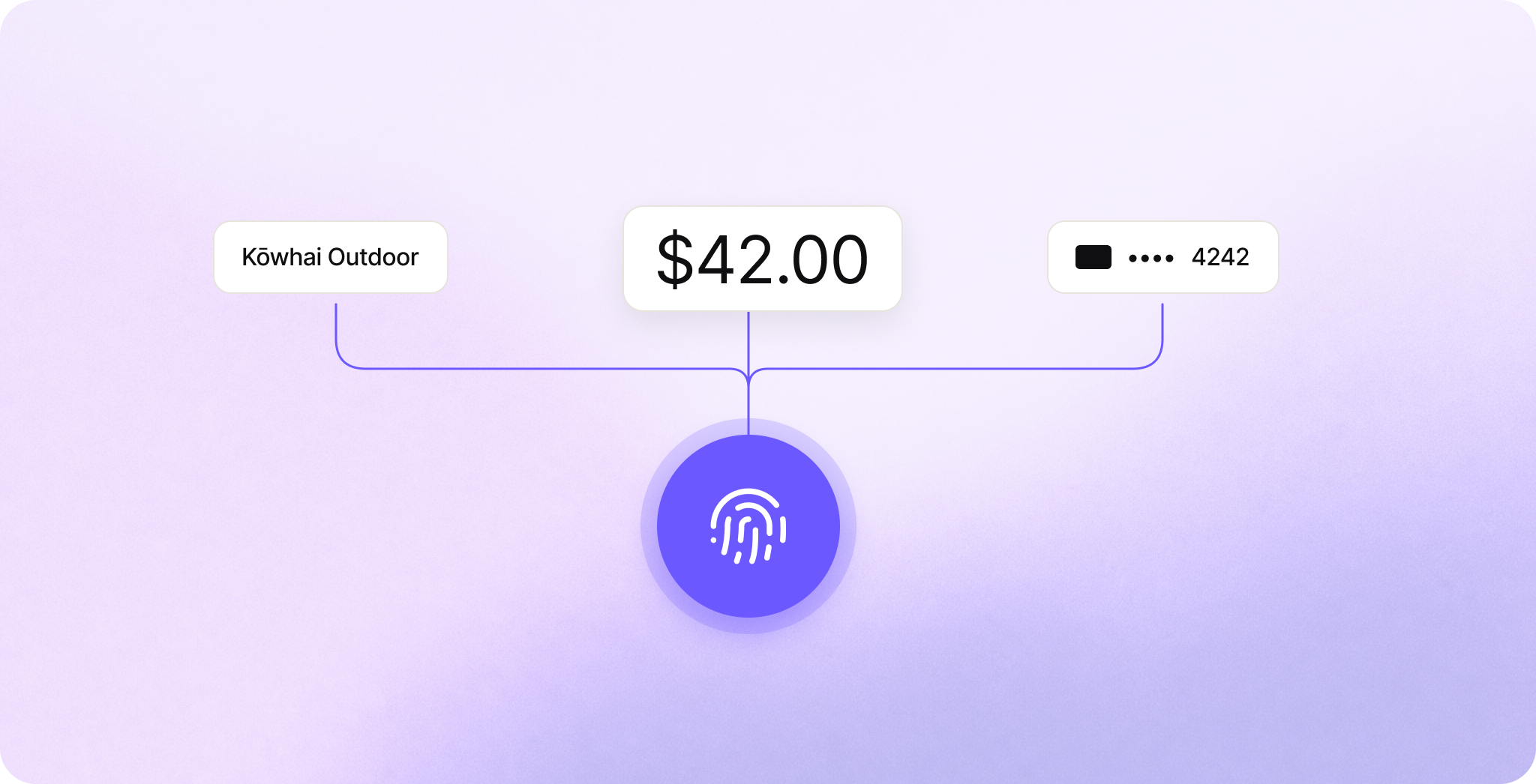
A customer checking their account balance doesn't necessarily need the same level of verification as someone recovering an account or transferring a large sum of money. By introducing phishing-resistant passkeys, adaptive MFA and stronger identity verification at sensitive moments, businesses can make it harder for attackers to gain unauthorized access while keeping legitimate customer experiences simple.
Importantly, upgrading authentication doesn't have to mean rebuilding an entire identity infrastructure. Businesses can strengthen the systems they already have, introducing new verification methods and adapting authentication journeys as security requirements and customer expectations evolve.
While stronger authentication won't prevent a cloud outage or technical failure, it remains an important part of a wider approach to security and resilience, and one that businesses can actively improve before the next incident occurs.
Let's not normalize the risk
Digital disruption may be an increasingly familiar headline, but that doesn't mean it should become an accepted cost of doing business.
As our reliance on digital services grows, so does the responsibility to protect the people and organizations using them. This requires continued investment in reliable infrastructure, stronger security controls and authentication that can adapt to emerging threats without creating unnecessary barriers for customers.
We can't predict what will cause the next major incident or when it will happen, but we can take meaningful steps today to strengthen the systems we rely on and reduce our exposure to the threats we already know exist.
Want to know how your authentication processes stack up? Talk to one of our experts at Authsignal to explore how you can strengthen your existing authentication infrastructure and stay one step ahead of evolving threats. Talk to our expert team